
Why Converting a Private Yacht to Commercial Is Harder Than You Think
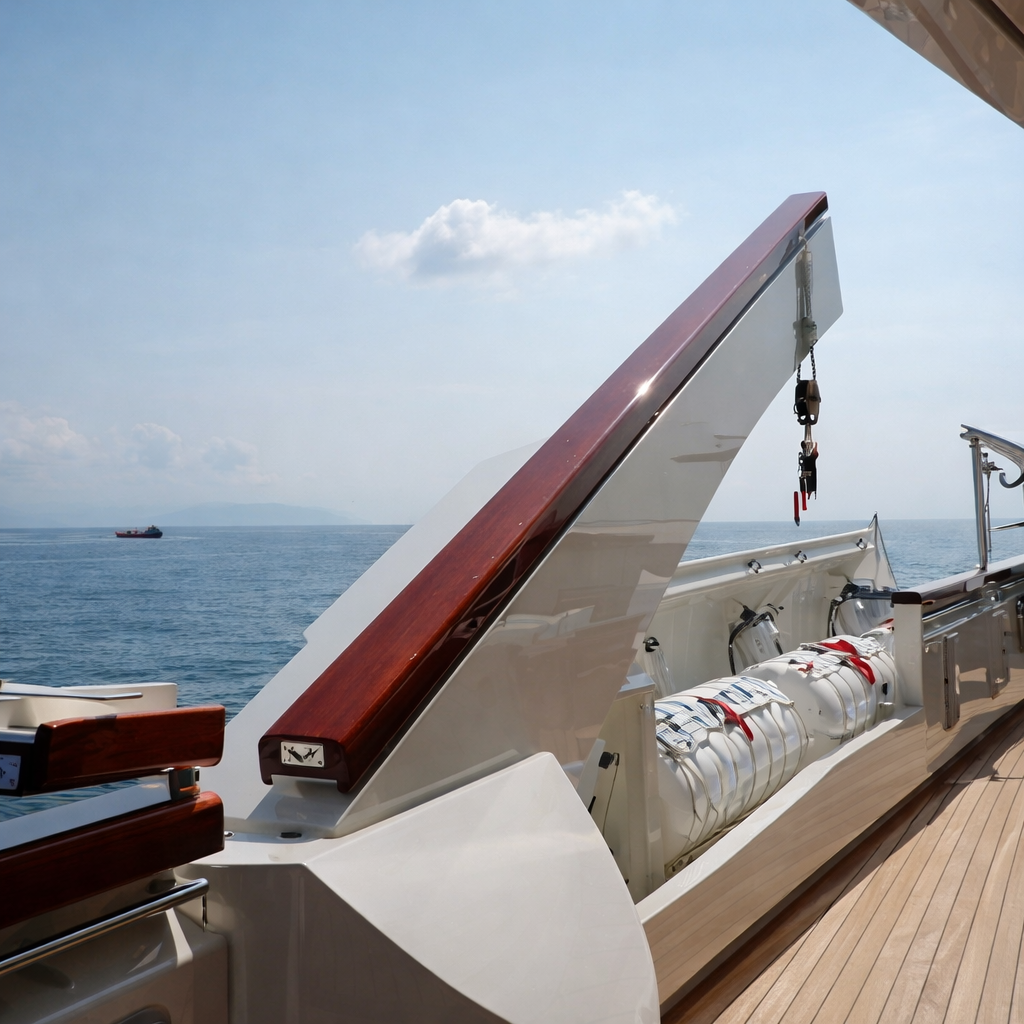
When buying or building a yacht, one of the most overlooked—but financially significant—decisions is whether the vessel is built and certified as private or commercial.
Many owners assume this choice only matters if they plan to charter. In reality, the original build standard can affect:
How the yacht is operated
Whether it can ever be chartered
How easy it is to sell later
And ultimately, its resale value
At The Captain’s Hub, we frequently advise owners who discover—often too late—that a yacht built as private is not easily converted into a commercial one. This article explains why.
What Is a Private Yacht?
A private yacht is built and registered for personal use only. It cannot legally be chartered or used for commercial gain.
Key Characteristics
Used solely by the owner, family, and guests
Built to pleasure craft standards
Fewer regulatory requirements
Lower initial build and compliance costs
No commercial coding or passenger certification
Private yachts are simpler to operate, especially for owners who never intend to charter. However, this simplicity comes with long-term trade-offs.
What Is a Commercial Yacht?
A commercial yacht is designed, built, and certified to carry passengers for hire.
Key Characteristics
Meets commercial safety regulations
Built under a recognized classification society
Certified under a commercial code (e.g. LY3, PYC, MCA, or equivalent)
Allows legal charter operations
Higher build and compliance costs
Commercial yachts must meet stricter standards from day one—and that’s where the critical difference lies.
Key Differences at a Glance
1. Safety & Structural Standards
Commercial yachts require:
Additional watertight bulkheads
Fire-rated divisions
Fixed fire suppression systems
Redundant safety systems
Commercial-grade lifesaving equipment
These features are structural, meaning they’re built into the yacht—not added later.
2. Systems & Engineering
Commercial builds typically include:
Redundant generators and critical systems
Higher-grade electrical and fuel systems
Enhanced ventilation and fire detection
Machinery layouts designed for inspection access
Retrofitting these systems into a private yacht often means major reconstruction.
3. Layout & Accommodation
Commercial regulations influence:
Crew cabin sizes and layouts
Escape routes
Corridor widths
Staircase angles
Passenger flow and muster areas
A beautiful private interior may be non-compliant by design, even if it looks similar on the surface.
4. Certification & Documentation
Commercial yachts require:
Class certification
Commercial coding
Approved stability booklets
Operational manuals
Ongoing surveys and audits
A private yacht usually lacks the foundational documentation needed to start this process easily.
Why Is It So Difficult to Convert a Private Yacht to Commercial?
This is one of the most common—and costly—misconceptions in yacht ownership.
The Main Challenges
1. Structural Limitations
Bulkheads, fire zones, escape routes, and tank layouts are often impossible to modify without extensive rebuilding.
2. Cost vs Value
Conversion costs can reach hundreds of thousands—or millions. In many cases, the cost exceeds the value gained.
3. Regulatory Resistance
Flag states and classification societies may:
Refuse certification
Impose extensive conditions
Require near-rebuild standards
4. Operational Delays
The yacht may be unusable for months or years during conversion—if conversion is approved at all.
Why This Matters Even If You Never Plan to Charter
Many owners say:
“I’ll only ever use the yacht privately.”
That may be true today—but resale markets don’t work that way.
Resale Reality
When selling:
Charter-capable yachts appeal to more buyers
Commercial-ready yachts retain higher market value
Brokers actively promote charter potential
Buyers see flexibility as reduced risk
A private-only build can narrow your buyer pool significantly.
Building a New Yacht? Think Commercial From Day One
If you’re building new—even for private use—designing to commercial standards is often the smartest long-term decision.
Benefits of a Commercial-Capable Build
Higher resale value
Easier conversion if plans change
Stronger appeal to buyers and charter managers
Better safety and operational resilience
Many owners choose to:
Build to commercial standards
Register privately initially
Keep the option open for the future
This approach balances enjoyment today with protection tomorrow.
The Captain’s Perspective
From an operational standpoint, commercial yachts tend to:
Be easier to manage professionally
Meet higher safety expectations
Attract more experienced crew
Transition smoothly between ownership changes
At The Captain’s Hub, we’ve seen owners lose significant value simply because this decision was made too late—or without proper advice.
Conclusion
The difference between a private and commercial yacht goes far beyond paperwork.
It affects:
How the yacht is built
Whether it can evolve
How it operates
And how much it’s worth when you sell
Whether you’re buying, building, or planning ahead, understanding this distinction early can save time, money, and regret.
